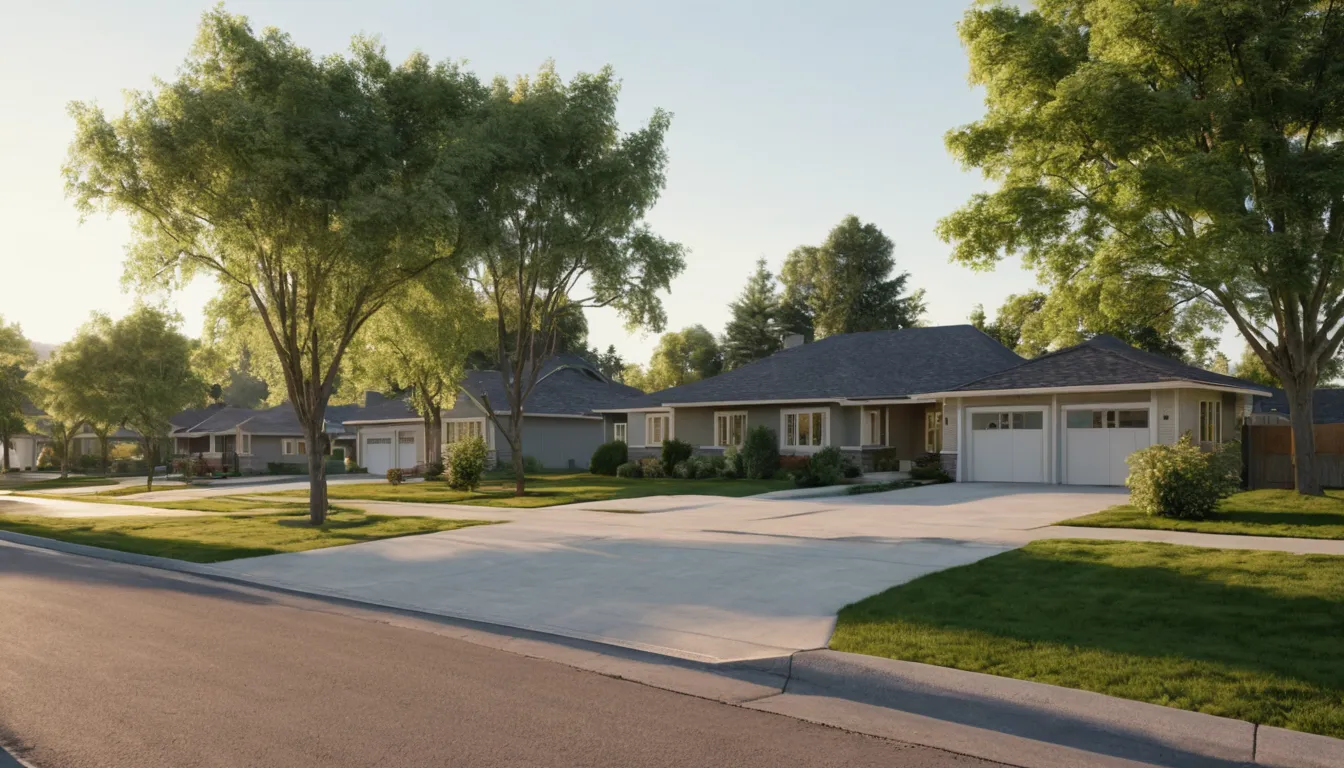
Need stamped concrete services in Ypsilanti?
Request a callback to check provider availability, or send a request and a local provider can follow up. There is no obligation to move ahead.
No obligation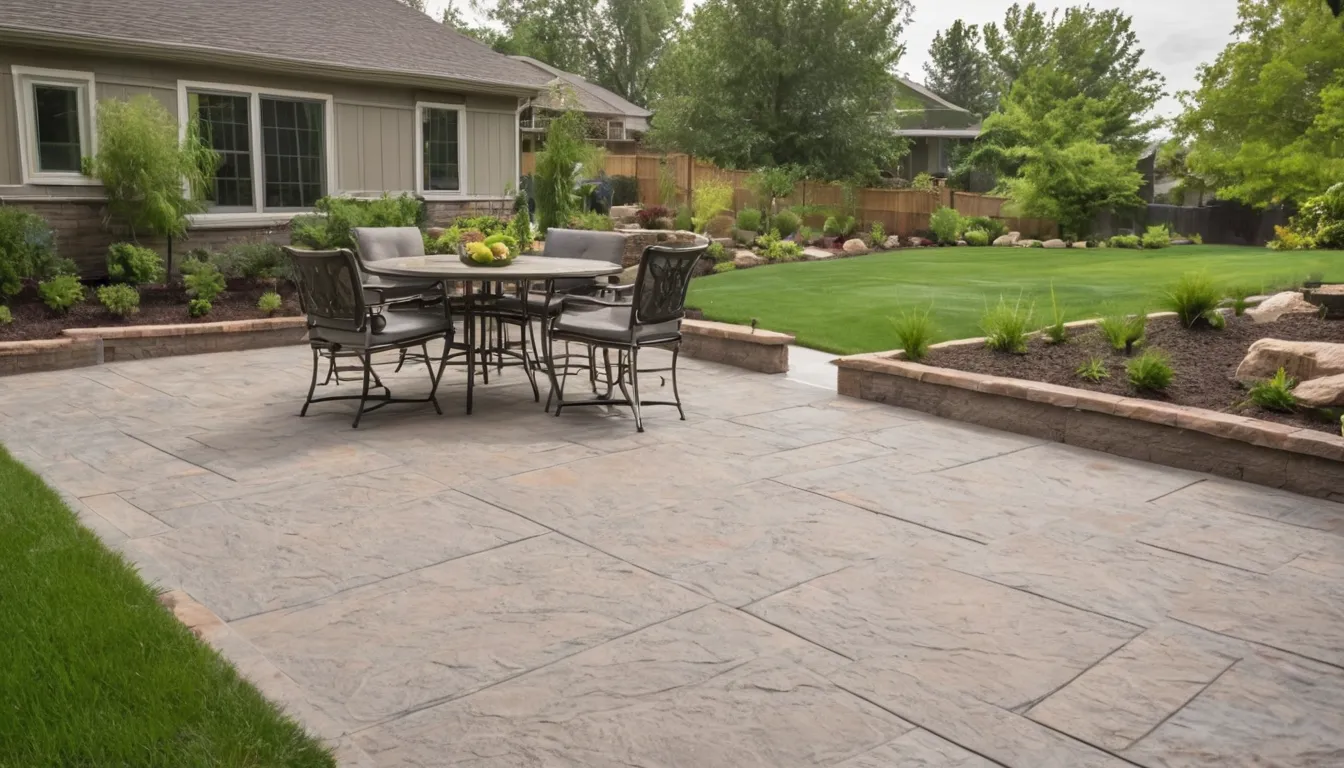
A lot of people think stamped concrete is just painted concrete, or that it only suits fancy homes. In practice, it is a regular slab with a pattern pressed in while the concrete is still wet. Color is added in the mix or worked into the surface. Then a sealer protects it.
Oppositiontho Concrete is a referral service. We do not pour or stamp anything. We connect homeowners in Ypsilanti and the Ypsilanti area with independent local providers who do the work. Slow down first, compare written quotes, and ask how a provider handles frost, drainage and sealing before you pick a pattern.
Myth: stamped concrete is a special product you buy in a box. Fact: it is ordinary concrete flatwork with a decorative finish. A provider places the slab, adds color, presses in a pattern, and seals it. Each step matters, so there is no need to rush.
Paint sits on top and wears off. Good stamped work gets its color from the mix or from a pigment worked into the fresh surface. The texture is real, because tools press it into the concrete itself.
After the slab is placed and leveled, the provider waits until the surface is firm enough to hold a shape. Then mats or stamps are pressed in by hand. Timing is the tricky part. Too wet and the pattern slumps. Too dry and it will not take.
Some colors are mixed into the batch. Others are dusted on the surface as a release agent that also adds tone. Many providers use both, so the shade looks natural and varied.
The sealer protects color and helps shed water. It needs a clean, dry surface, so weather can shift the schedule.
Popular choices copy slate, flagstone, brick, cobblestone and wood plank. Earth tones such as warm gray, tan and soft charcoal are common because they suit most siding and roofs. Ask to see a sample board or a finished patio in person. Screens can change how a color looks.
Cheap-looking results usually come from a rushed pour or one flat color. Skilled providers vary the tone and match the pattern to the style of the house. Bungalows and ranch homes often suit simple stone or brick looks.
Stamped concrete patios are the favorite. It also fits walkways, pool decks, porch landings and entry steps. Pick a spot with good drainage. Water that pools on a slab is hard on both color and surface.
Cold winters with deep frost, hot humid summers, hail and spring flooding all test a patio. Ask how a provider prepares the base and slopes the slab so water runs away from the house. If your home has a basement and a sump pump, mention it. Runoff from a new patio should not head toward the foundation.
Concrete can crack even when it is done well. Providers cut control joints so cracks tend to follow a planned line. Ask where the joints will go and how they will blend into the pattern.
Pavers are individual units set in sand. A single paver can be lifted and replaced, but they can shift and grow weeds. Stamped concrete is one solid surface with fewer seams, but it needs resealing and cannot be swapped piece by piece. Neither is better for everyone. Budget, looks and upkeep should decide it.
Many jobs take a few days of work, plus time for the concrete to cure. Foot traffic may come sooner than furniture or vehicles. Rain, heat and cold can all move the schedule, so ask your provider for a realistic window in writing.
It is not a fix for sinking slabs, and it is not work for foundation repair experts. Those are separate trades. If you need a plain concrete driveway, that has its own page.
Sweep often and rinse with a hose. Use mild soap for stains. Avoid harsh de-icing salts in winter, since they can harm the sealer and the surface. Plan on resealing every few years, depending on sun and wear. Your provider can suggest a schedule.
Look at photos of finished patios, not just samples. Ask whether the provider carries the insurance and licensing your area requires, and ask to see proof. Oppositiontho Concrete cannot vouch for any provider's credentials, so check them yourself.
We are a referral service. Providers do the work, set their own prices, and manage their own schedules. Our job is to help you reach independent local providers so you can compare quotes at your own pace.
Providers can press in stone, brick, slate or plank looks to suit your home.
Good prep helps water drain away from the house and protects the finished slab.
Color can be mixed in or worked into the surface, then sealed against weather.
Control joints guide cracks, and a sealer helps protect the pattern and color.
Prices vary by size, pattern, site access and local labor. These are typical U.S. ranges only, so get a written quote from each provider before you decide.
| Item | Typical range | Notes |
|---|---|---|
| Basic stamped patio, per sq ft | $8 – $18 | Simple pattern, one color |
| Detailed pattern or two-tone, per sq ft | $12 – $25 | More tools and skill needed |
| Stamped walkway, per sq ft | $10 – $20 | Length and curves affect price |
| Site prep and base, per sq ft | $2 – $6 | Grading and gravel vary by job |
| Sealer and resealing | $1 – $3 per sq ft | Needed every few years |
| Removing an old slab | $2 – $6 per sq ft | Depends on thickness and access |
Decide where the patio goes, how big it should be, and what look suits your house.
Request a callback to check provider availability or request an estimate using the form.
Check pattern, base prep, sealing and timing in each quote, not just the price.
Agree on dates, cure time and care steps before work starts.
We connect you with providers and never do the concrete work ourselves.
Compare written quotes at your own pace, with no obligation.
Independent providers know area soil, frost and weather.
We explain the process in simple terms before you talk price.
Request a callback to check provider availability, or send a request and a local provider can follow up. There is no obligation to move ahead.
No obligationNo. The pattern is pressed into the wet surface, and color is mixed in or worked into the top layer. Paint alone would wear away much faster. A sealer is added at the end for protection.
It depends on base prep, drainage, sealing and winter care. Cold climates with deep frost are harder on slabs. Ask providers how they prepare the base and when you should reseal, and avoid harsh de-icing salts.
It can be, but not always. Price depends on size, pattern, prep and local labor. Get written quotes for both options and compare what each includes, including long-term upkeep.
Request a callback to check provider availability, or send a request and a local provider can follow up. There is no obligation to move ahead.
No obligation